📍Basra, Iraq
717 – 801“I was born around 717 in Basra, the busy port city near the head of the Gulf in southern Iraq, which the Arabs had founded about eighty years before. In my day Basra was a great centre of trade and of learning, full of scholars of the Qur'an, grammarians, poets and ascetics who gathered in its mosques. Very little is truly known about my life. The stories told about me say that I was born into a poor family, that I was orphaned young and sold into slavery, and that my master set me free after he saw a light shining above me as I prayed through the night. I spent my life in Basra in poverty and prayer, and it is said that I owned nothing but a broken jug, a rush mat and a brick that I used as a pillow. I refused offers of marriage and gifts of money, for I wanted nothing to come between me and God. I prayed through the nights and taught both men and women who came to learn from me. Above all I taught that God should be loved for His own sake, not from fear of hell or hope of paradise, and I asked God to burn me in hell if I worshipped Him from fear. I left no writings of my own. My sayings, prayers and stories were remembered and written down by later Sufis, among them the Persian poet Farid al-Din Attar, and many verses were later added to my name. I am remembered as one of the first great saints of Sufism and a teacher of divine love, and women and men across the Muslim world still turn to my words.”
🗺️ Approximate location today
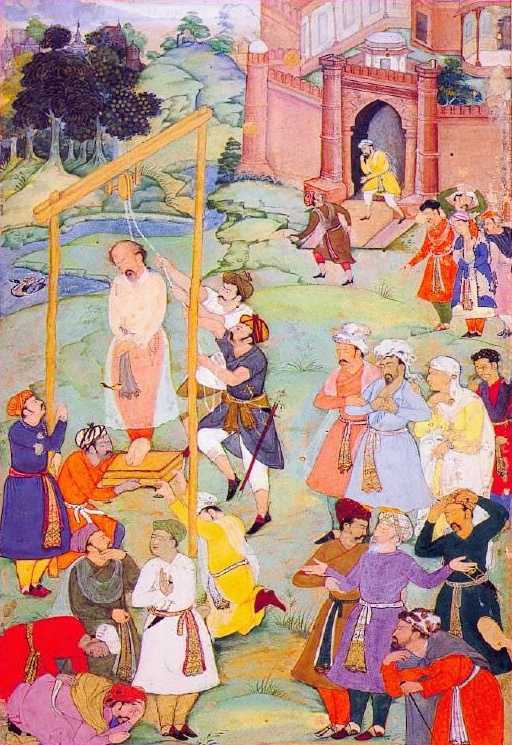
📷 Location image · via Wikimedia Commons